Signs Your Gearbox Needs Attention Before It Becomes Expensive
A gearbox rebuild can cost AED 8,000+. Catching problems early keeps your repair bill under AED 500. Here are the 10 warning signs every Dubai driver should know.
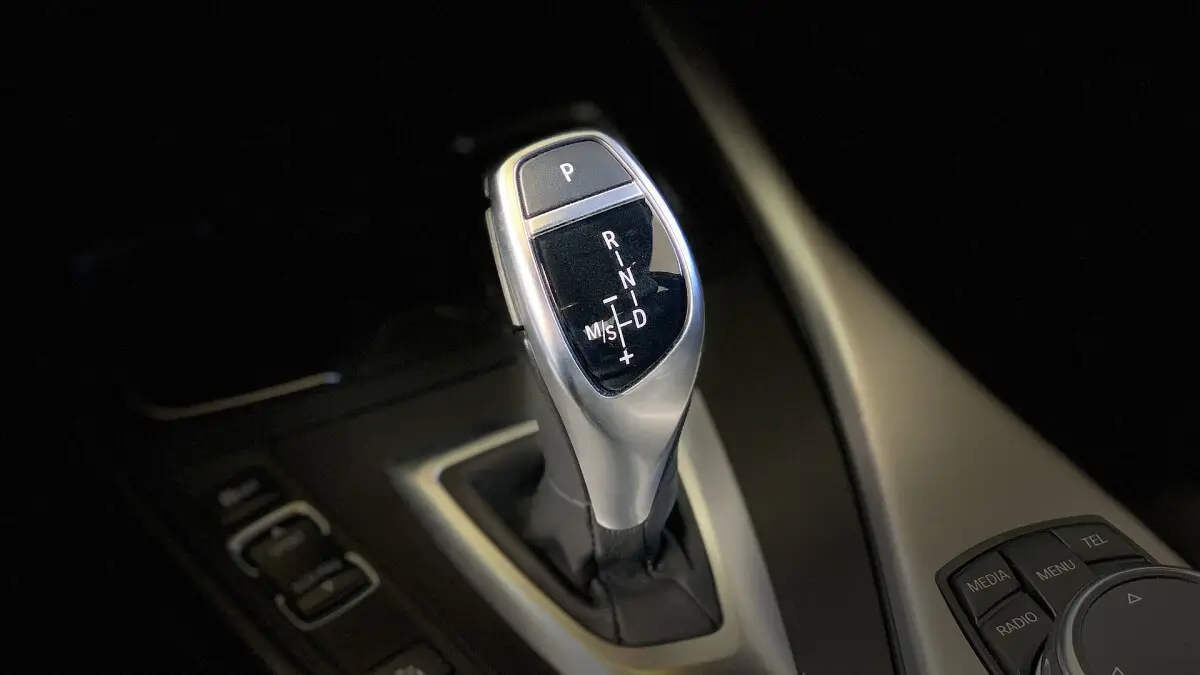
Your gearbox transfers engine power to the wheels. When it works, you never think about it. When it fails, the car repair in Dubai bill lands between AED 3,000 and AED 25,000 — sometimes more for luxury vehicles. The worst part? Most gearbox failures start with small, easy-to-miss symptoms weeks or even months before the breakdown.
Dubai's extreme heat makes things worse. Temperatures above 50°C break down transmission fluid faster, increase internal friction, and accelerate seal wear. Combine that with heavy stop-and-go traffic on Sheikh Zayed Road and Al Khail, and your gearbox works harder than it was designed to.
At iTyreCare Auto Service Center, we diagnose and repair gearboxes every day — automatic, manual, CVT, and DCT. Our technicians have seen thousands of transmissions come through the workshop, and the pattern is always the same: drivers who catch the warning signs early pay a fraction of what drivers who ignore them end up spending.
Below are the 10 warning signs your gearbox needs attention — ranked by severity, with what causes each problem and what you should do about it.
10 Warning Signs Your Gearbox Is Failing
Gears Slip Out of Place
UrgentYour car suddenly loses power while driving, the engine revs up, but the car doesn't accelerate. The gearbox drops out of gear or shifts to neutral on its own. This is one of the most dangerous gearbox symptoms because it can happen in the middle of highway traffic.
What causes it: Worn clutch packs, low transmission fluid, a failing valve body, or stretched internal bands that can no longer hold the gear in position.
What to do: Stop driving immediately and have the gearbox inspected. Continued driving with a slipping transmission causes heat damage that turns a partial repair into a full rebuild.
Delayed or Rough Shifting
UrgentYou shift from Park to Drive, and the car hesitates for 2–3 seconds before engaging. Or gear changes feel harsh — the car jerks, bangs, or shudders every time it shifts up or down. Smooth shifts should be almost unnoticeable.
What causes it: Degraded or low transmission fluid, a clogged filter, worn solenoids, or a faulty transmission control module (TCM). In manual cars, a worn clutch disc or damaged synchroniser rings create a similar effect.
What to do: Start with a transmission fluid and filter change. If the problem continues, a diagnostic scan reveals whether the issue is mechanical, hydraulic, or electronic.
Grinding, Whining, or Clunking Sounds
UrgentYou hear a grinding noise when shifting gears (especially in manual cars), a persistent whine that gets louder with speed, or a metallic clunk when the gearbox changes gears. These sounds mean metal parts are making contact where they shouldn't.
What causes it: Worn bearings, damaged gear teeth, failing synchronisers, or a torque converter that has lost its internal fluid seal. In CVTs, a belt or chain slipping across the pulleys creates a distinct whining sound.
What to do: Do not ignore gearbox noises. Grinding and whining indicate internal component damage that worsens rapidly. Book a gearbox inspection before the damage spreads to other parts.
Red or Brown Fluid Under Your Car
ModerateYou notice a red, pinkish, or dark brown puddle under the centre of your car after it has been parked. Transmission fluid has a sweet, slightly oily smell. Even a small leak means the system is losing the fluid it needs to shift, lubricate, and cool internal parts.
What causes it: Worn gaskets, cracked seals, a damaged transmission pan, or loose cooler line fittings. Dubai's heat accelerates rubber seal degradation, making leaks more common in vehicles over 4 years old.
What to do: Check your transmission fluid level using the dipstick (if your vehicle has one). Top up if needed and book a seal inspection. Replacing a gasket costs a fraction of replacing a gearbox that ran dry.
Burning Smell From Under the Car
UrgentA sweet or acrid burning smell while driving — especially after stop-and-go traffic or highway driving — signals that your transmission fluid is overheating. Overheated fluid loses its ability to lubricate and cool, and the damage snowballs quickly.
What causes it: Degraded or low transmission fluid, a blocked transmission cooler, a failing radiator (many vehicles route transmission fluid through the radiator), or prolonged driving in high-heat conditions without proper fluid maintenance.
What to do: Pull over safely and let the car cool down. Check the transmission fluid — if it is dark brown or black and smells burnt, it needs an immediate fluid change. Visit a workshop for a cooling system and fluid inspection.
Transmission Warning Light or Check Engine Light
ModerateYour dashboard shows a transmission temperature warning, a gear icon, or the check engine light comes on. Modern vehicles have dozens of sensors inside the transmission that detect abnormal temperatures, pressure drops, and shift timing errors before you feel any symptoms.
What causes it: A faulty speed sensor, solenoid issue, fluid temperature spike, internal pressure loss, or a TCM (Transmission Control Module) fault code. The warning light is your car asking for help before things get worse.
What to do: Get a diagnostic scan immediately. A scan reads the exact fault code and tells the technician exactly what triggered the light — often saving you from unnecessary parts replacement.
Shaking or Vibration During Gear Changes
ModerateThe car shakes, vibrates, or judders when shifting between gears — particularly between 1st and 2nd or when decelerating. In dual-clutch transmissions (DCT), low-speed judder is an especially common complaint.
What causes it: Worn or contaminated clutch packs, failing engine or transmission mounts, a damaged torque converter, or a dual-clutch system with worn friction material. Vibration can also come from imbalanced driveshaft components.
What to do: A road test followed by a diagnostic scan isolates whether the shaking comes from the gearbox, mounts, or drivetrain. Addressing it early prevents further wear on connected components.
Car Refuses to Move in Drive or Reverse
UrgentYou shift into Drive or Reverse, the engine revs, but the car doesn't move at all — or it barely creeps forward. This indicates a severe internal failure where the gearbox can no longer transfer power to the wheels.
What causes it: Complete clutch pack failure, broken internal bands, a seized valve body, or critically low transmission fluid. In some cases, a broken linkage or electronic fault prevents the gearbox from engaging entirely.
What to do: Do not force the car to move. Call for a tow or roadside assistance. Attempting to drive causes catastrophic internal damage that can destroy the entire gearbox and torque converter.
Unexplained Drop in Fuel Efficiency
Early WarningYour car suddenly drinks more fuel than usual with no change in driving habits. A struggling gearbox forces the engine to work harder, run at higher RPMs, and burn more fuel to maintain the same speed. Many drivers blame fuel prices or traffic — but the gearbox is often the hidden cause.
What causes it: Internal friction from degraded fluid, a slipping torque converter lock-up clutch, delayed upshifts caused by sensor or solenoid faults, or a gearbox stuck in a lower gear (limp mode).
What to do: Track your fuel consumption over 2–3 fill-ups. If it has increased by 10–15% or more with no other explanation, a gearbox diagnostic can rule out or confirm a transmission issue.
Unusual Noise or Vibration in Neutral
Early WarningWhen you shift to Neutral at a traffic light, you notice a rumbling, bumping, or vibrating sensation that goes away when you shift back into gear. This often-overlooked sign points to worn internal components that are about to cause bigger problems.
What causes it: Worn bearings, a worn input shaft, degraded transmission fluid that no longer cushions internal components properly, or loose internal hardware.
What to do: A fresh transmission fluid change sometimes quiets the noise. If it persists, an internal inspection reveals whether bearings or other parts need replacement before they fail completely.
Noticed Any of These Signs? Get a Free Gearbox Diagnostic
iTyreCare Auto Service Center offers free gearbox inspections at our Al Quoz workshop. Our technicians diagnose the exact issue and give you a transparent quote — no hidden costs.
Why Gearboxes Fail Faster in Dubai
Dubai's driving conditions put more stress on transmissions than almost anywhere else in the world. Here's what works against your gearbox every day.
Extreme Heat
Temperatures above 50°C cause transmission fluid to break down 30–40% faster than in cooler climates. Degraded fluid loses viscosity, reduces lubrication, and raises internal operating temperatures even higher — creating a destructive cycle.
Stop-and-Go Traffic
Crawling through rush hour on Sheikh Zayed Road means your gearbox shifts hundreds of extra times per trip. Each shift generates friction and heat. Vehicles stuck in daily traffic experience twice the transmission wear compared to highway cruising.
Sand and Dust
Fine desert particles infiltrate seals and contaminate fluid over time. Sand acts as an abrasive inside the transmission, grinding against clutch plates, bearings, and valve body surfaces. Vehicles used off-road or near construction sites are at even higher risk.
Early Fix vs. Late Fix: The Real Cost
Catch It Early
- ✓ Transmission fluid change — AED 300–600
- ✓ Solenoid replacement — AED 400–800
- ✓ Seal or gasket repair — AED 200–500
- ✓ Sensor replacement — AED 300–700
- ✓ Filter replacement — AED 150–350
Total: AED 150–800 per fix
Ignore the Signs
- ✗ Partial gearbox rebuild — AED 3,000–5,000
- ✗ Full gearbox rebuild — AED 5,000–8,000
- ✗ Complete gearbox replacement — AED 8,000–25,000+
- ✗ Torque converter + gearbox — AED 10,000–25,000+
- ✗ Days without your car + towing fees
Total: AED 3,000–25,000+
5 Ways to Protect Your Gearbox in Dubai
Prevention costs less than repair. Follow these maintenance habits to extend the life of your transmission.
Change Fluid on Time
Every 40,000–60,000 km for automatics. Every 50,000–80,000 km for manuals. Sooner if you drive in heavy traffic daily.
Let the Car Warm Up
Give your engine and gearbox 30–60 seconds before driving hard. Cold fluid doesn't lubricate well, especially on winter mornings.
Avoid Aggressive Driving
Hard launches, sudden braking, and rapid gear changes wear out clutch packs, synchros, and bands much faster than smooth driving.
Check for Leaks Monthly
Look under your car for red or brown spots. Check the fluid level and colour regularly. Healthy fluid is bright red; burnt fluid is dark brown.
Annual Gearbox Check
Book a professional gearbox inspection once a year. iTyreCare Auto Service Center offers free diagnostic scans that catch problems before they escalate.
Frequently Asked Questions
How much does gearbox repair cost in Dubai?
Gearbox repair costs in Dubai range from AED 500 for minor fixes like a fluid change or sensor replacement to AED 3,000–8,000 for a partial rebuild. A full gearbox replacement can cost AED 8,000–25,000 or more depending on the vehicle. Early diagnosis at iTyreCare Auto Service Center saves you thousands compared to waiting until the gearbox fails completely.
Can I still drive with a slipping gearbox?
Driving with a slipping gearbox is risky and can cause further damage. A slipping transmission generates excess heat, wears internal clutch packs faster, and can leave you stranded in traffic. If your gearbox slips, get it inspected immediately. iTyreCare offers free gearbox diagnostics at our Al Quoz workshop.
How often should I change my transmission fluid in Dubai?
In Dubai's extreme heat, transmission fluid degrades faster than in cooler climates. We recommend changing automatic transmission fluid every 40,000–60,000 km and manual gearbox oil every 50,000–80,000 km. Vehicles used in heavy stop-and-go traffic or for towing should follow the shorter interval.
What causes a gearbox to fail in hot climates like Dubai?
Dubai's extreme temperatures accelerate transmission fluid breakdown, causing it to lose its lubricating and cooling properties. Combined with frequent stop-and-go traffic, this leads to overheating, increased friction on internal parts, and premature seal degradation. Regular fluid changes and keeping the cooling system in good condition prevent most heat-related gearbox failures.
Does iTyreCare repair all types of gearboxes?
Yes, iTyreCare Auto Service Center repairs all gearbox types including automatic, manual, CVT (Continuously Variable Transmission), DCT (Dual-Clutch Transmission), and AMT (Automated Manual Transmission). Our technicians use advanced diagnostic tools to accurately identify faults across all transmission systems.
What is the difference between a gearbox repair and a gearbox rebuild?
A gearbox repair fixes a specific issue like replacing a worn solenoid, seal, or sensor. A gearbox rebuild involves disassembling the entire transmission, inspecting every component, replacing all worn parts, and reassembling it to factory specifications. A rebuild is necessary when multiple components have failed or the gearbox has suffered severe internal damage.
Don't Wait Until Your Gearbox Fails — Act Now
iTyreCare Auto Service Center has been repairing and rebuilding gearboxes in Dubai since 2018. Our certified technicians diagnose the exact problem, explain your options, and fix it right the first time. Free gearbox diagnostic for every customer. Call us or WhatsApp for an appointment.